Concept store — payments are simulated and nothing ships. This is a preview, not a real store.
Nut & Bloom
Cart Account Help
The seed that wears like ivory

Ecuador

The seed that wears like ivory

Tagua palm seeds, hard as ivory, carved and dyed into jewellery.

Shop the collection Our story

The collection

See everything →

Our story

Vegetable ivory, grown not taken

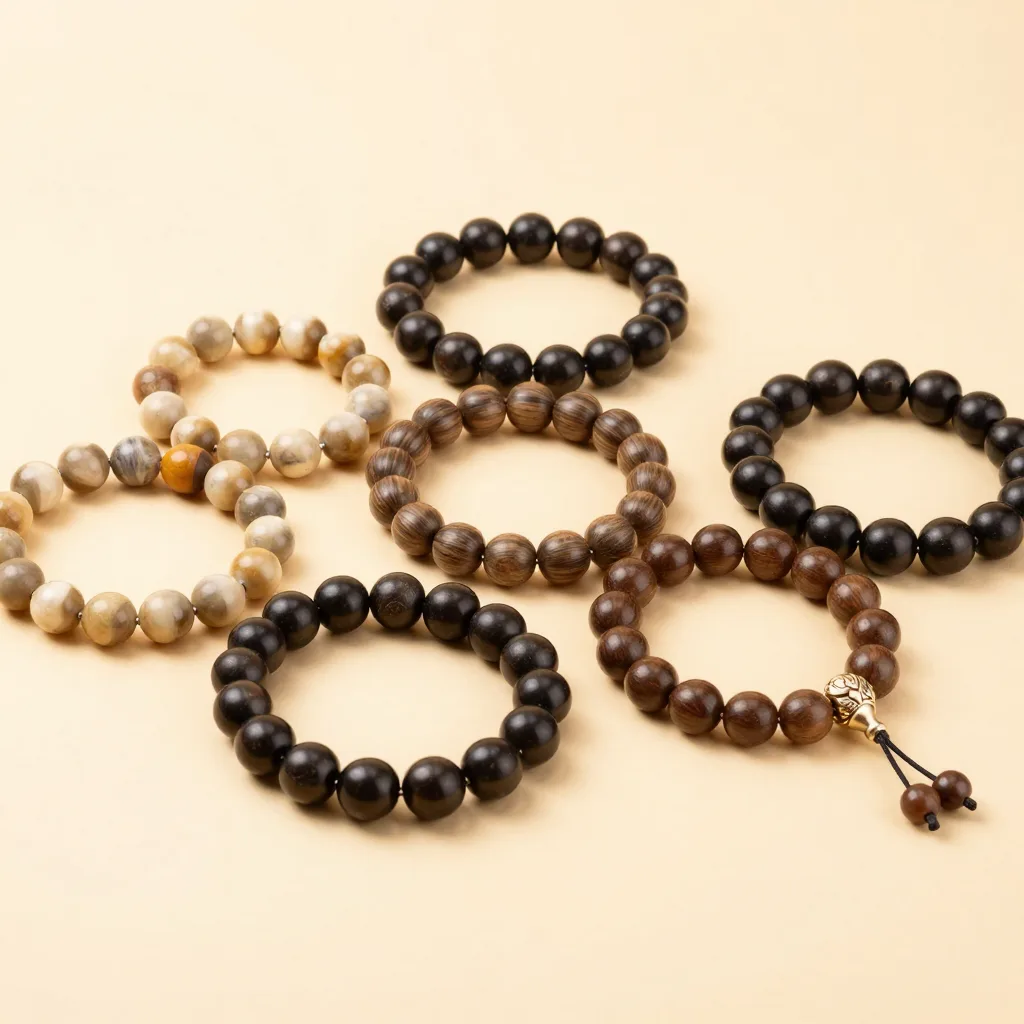
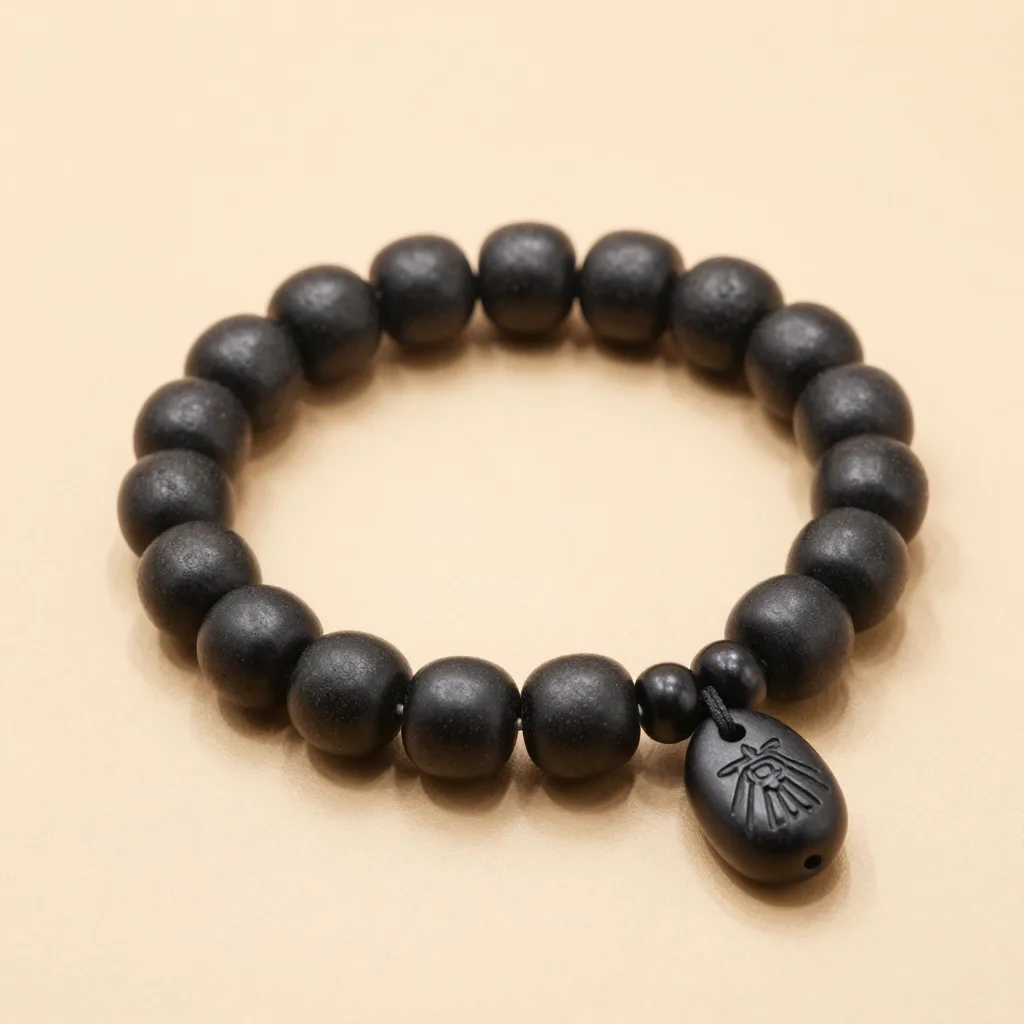
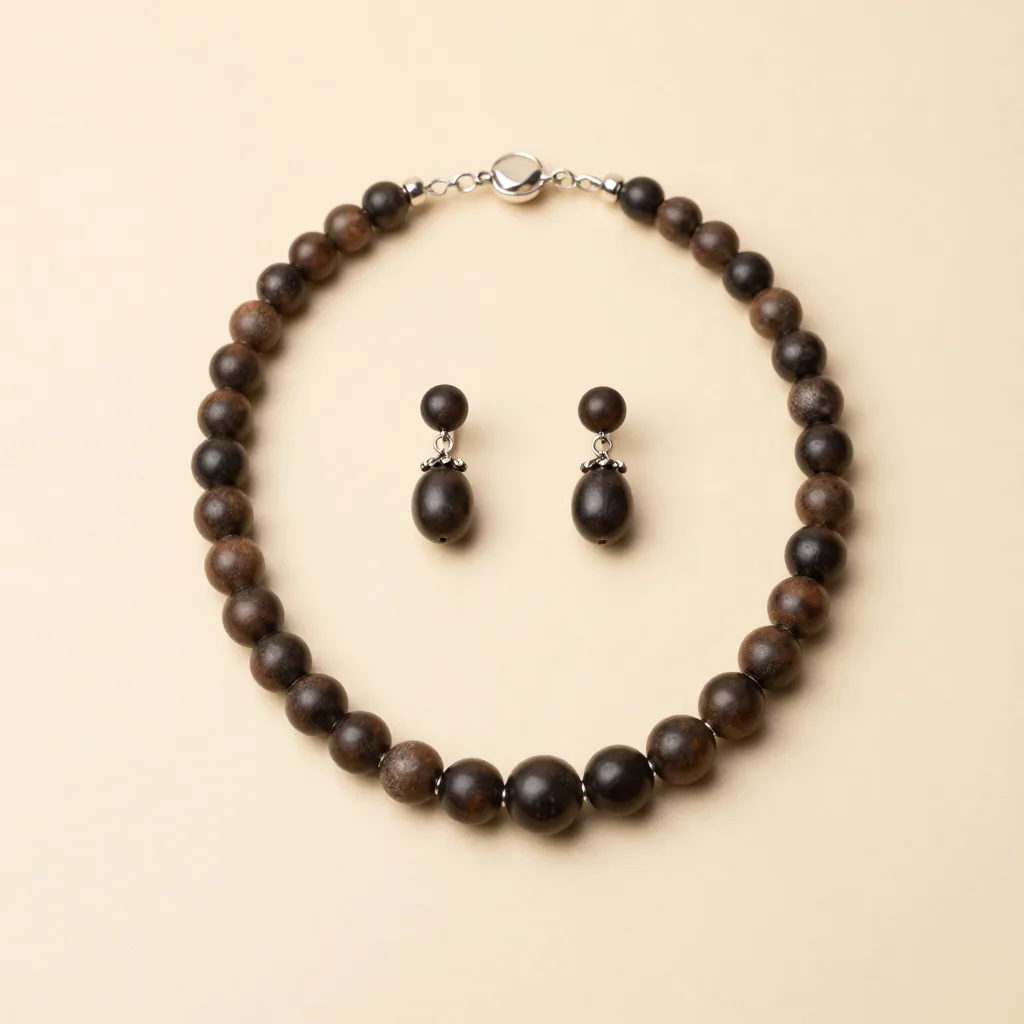
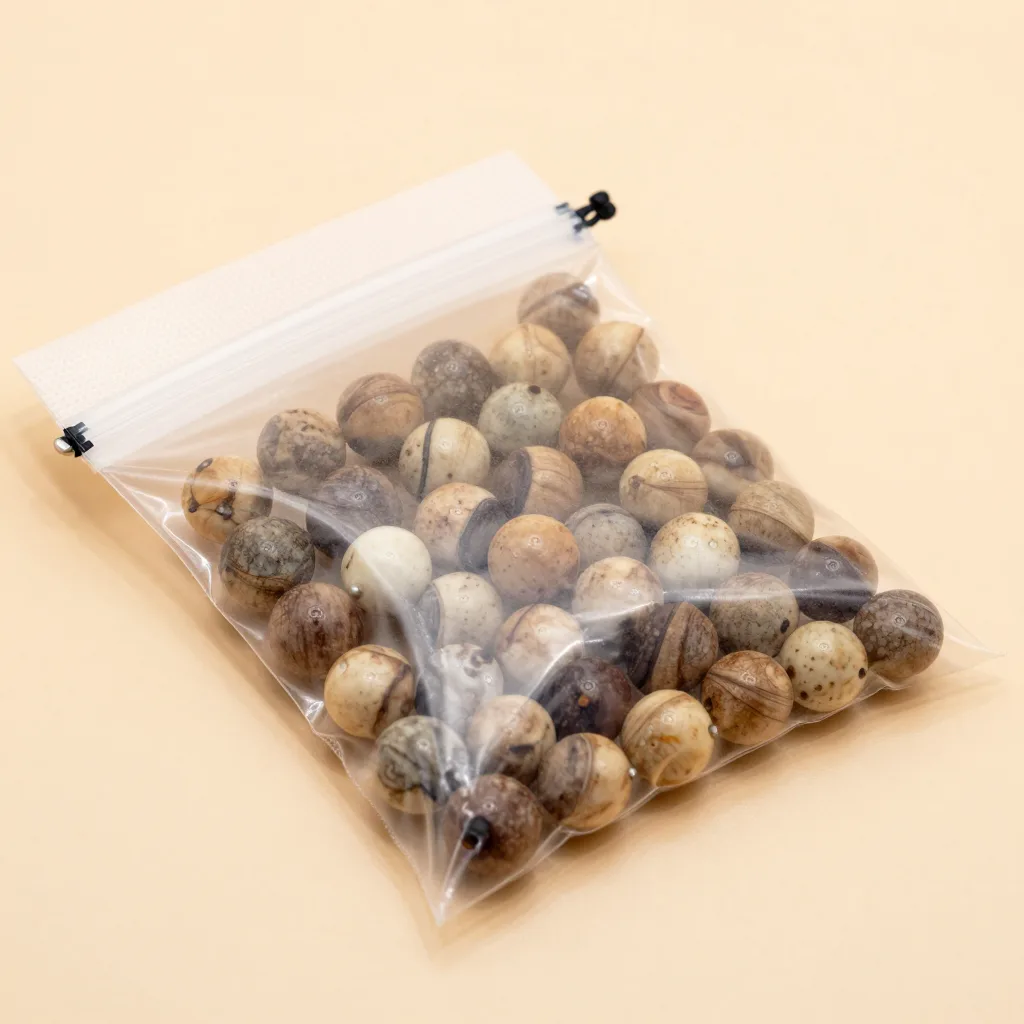
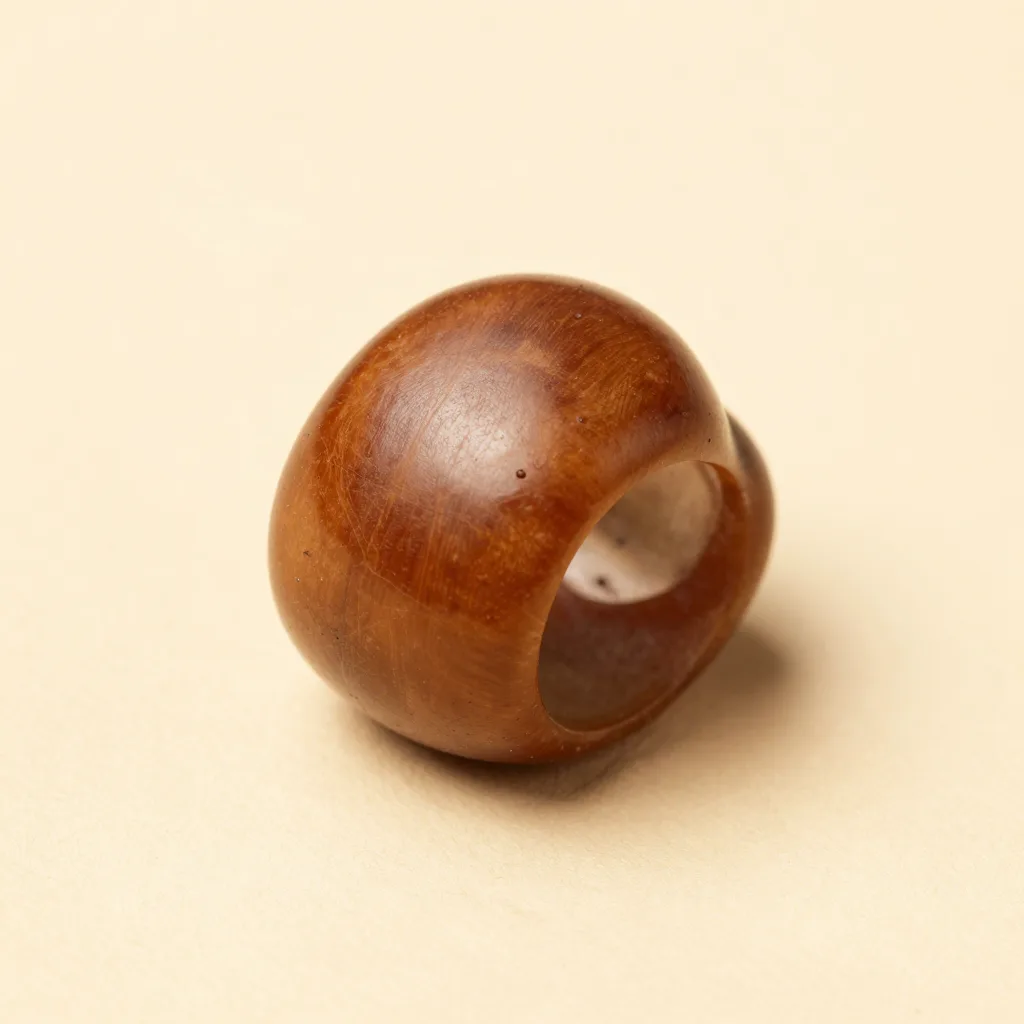
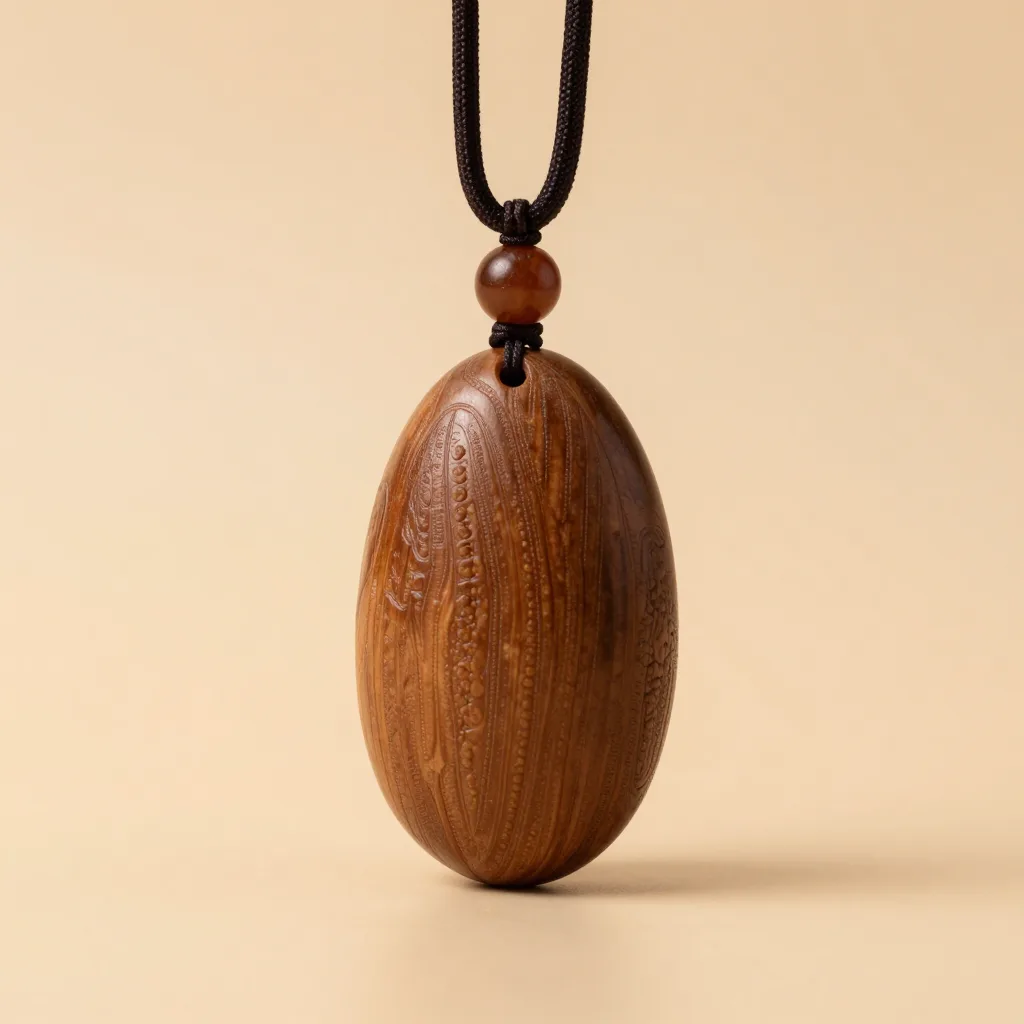
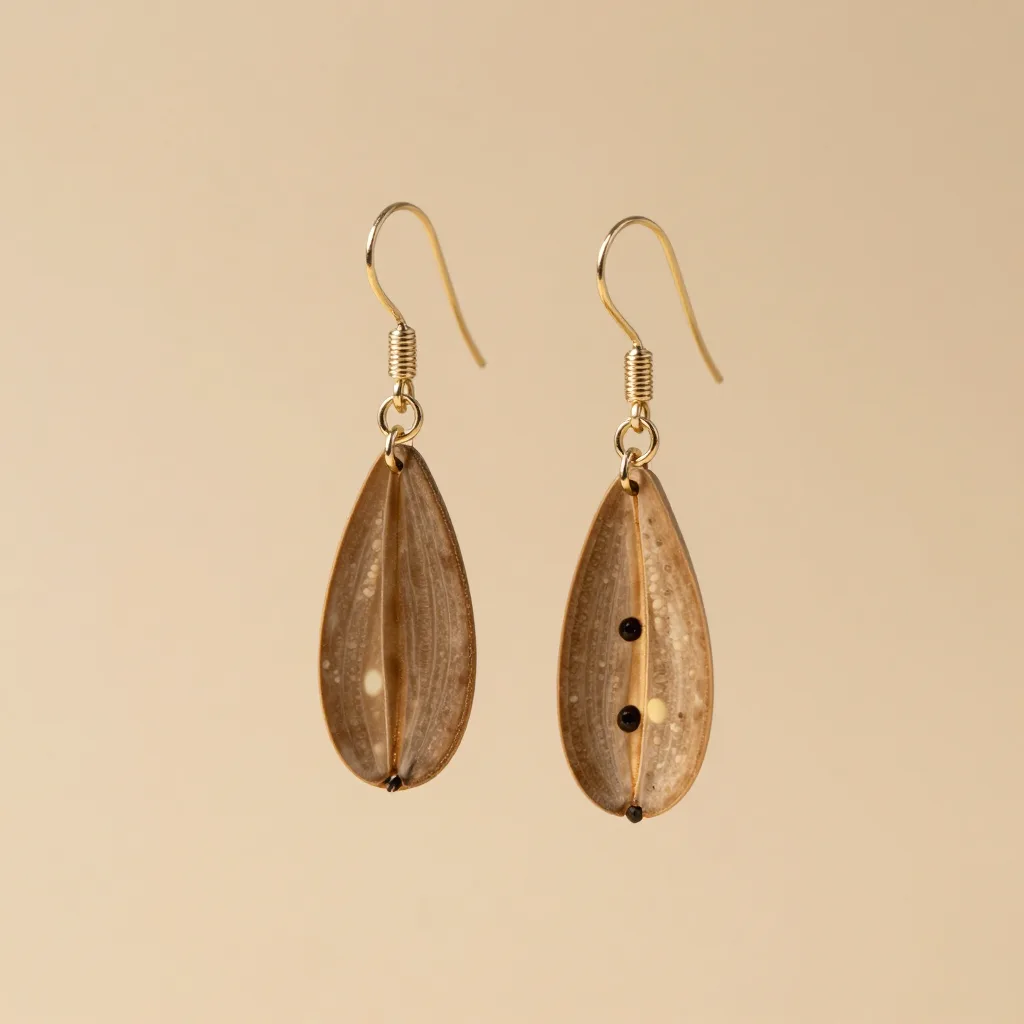
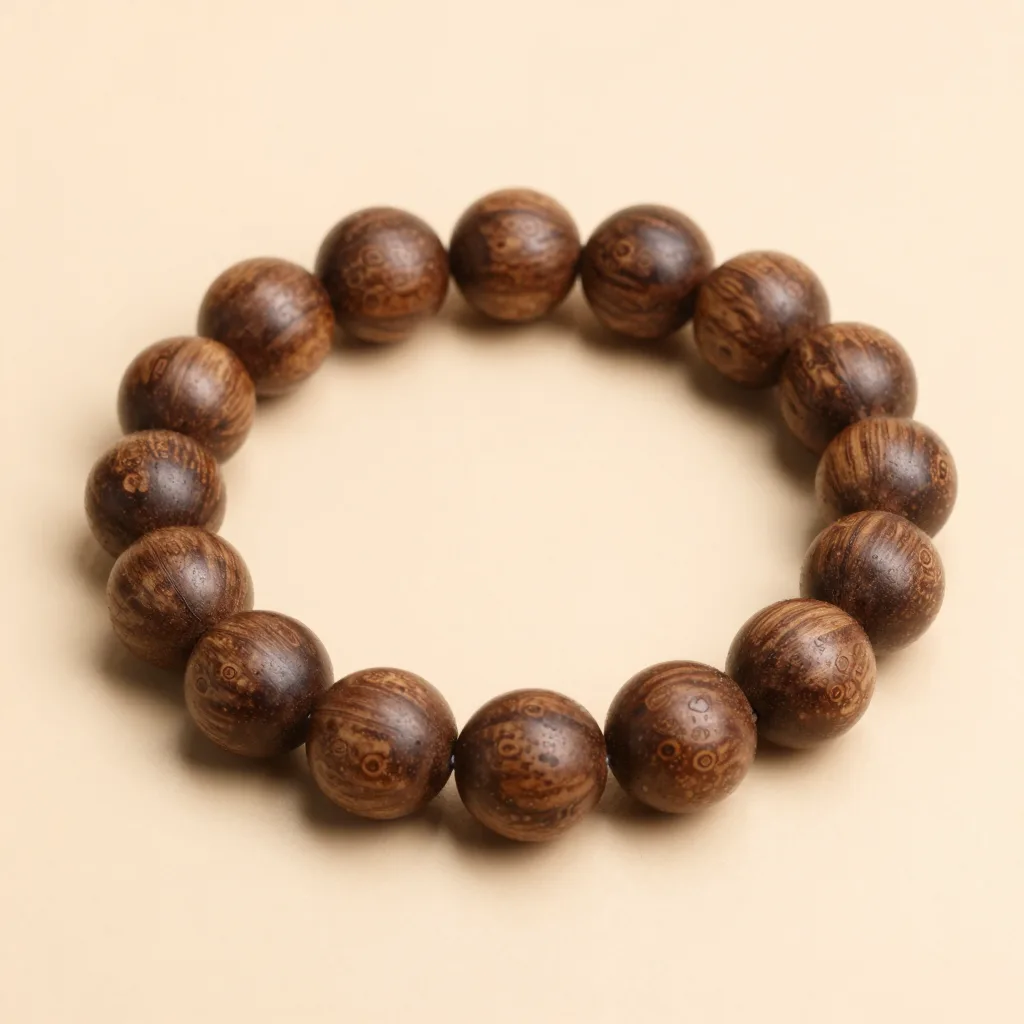
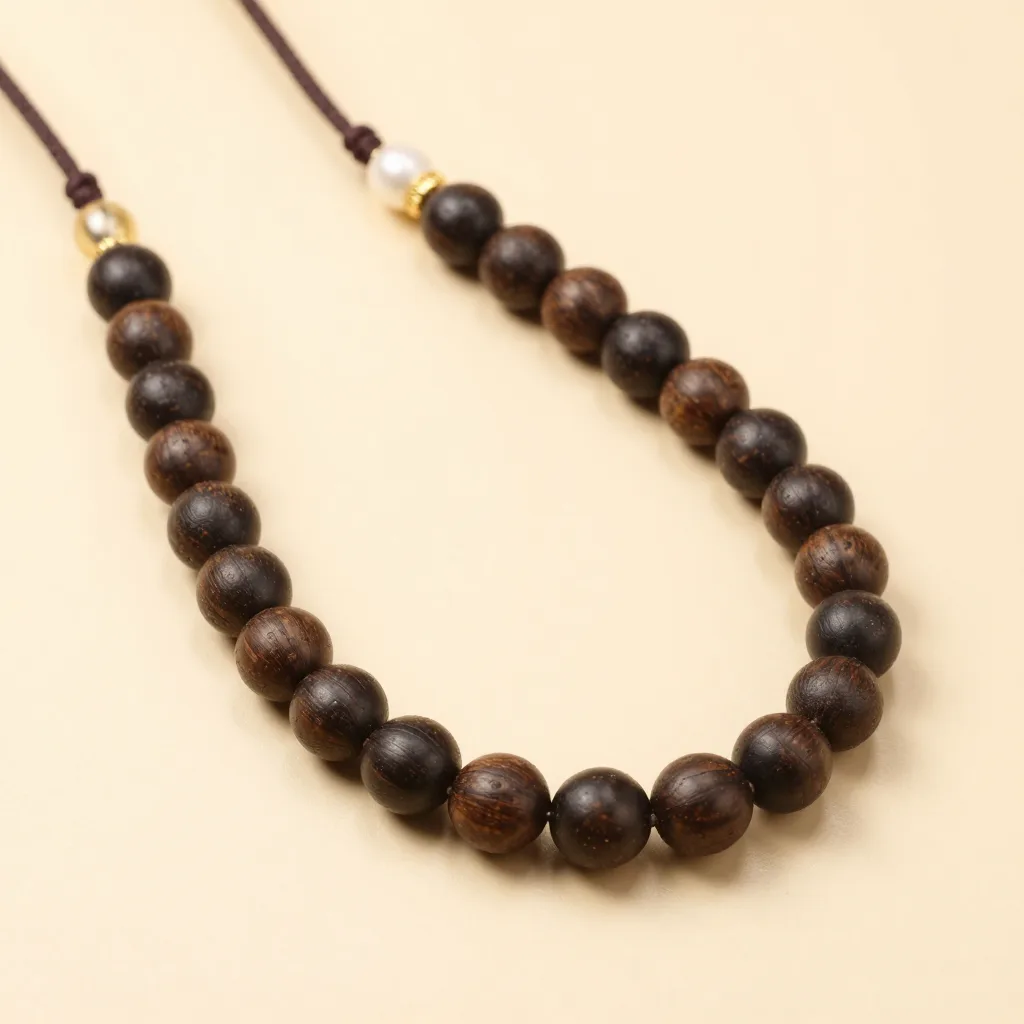
Deep in the forests of Ecuador grows the tagua palm, and in its fruit is a seed so dense and smooth it has long been called vegetable ivory. Nut & Bloom carves and polishes these seeds by hand into beads, pendants and earrings, and dyes some of them in soft, rich colours. Because it comes from a renewable palm seed, not an animal, tagua is a beautiful alternative to true ivory — a vegan jewellery with the same cool, ivory-like feel, made without harming a single elephant.

Where it comes from

Ecuador

Tagua palm seeds, hard as ivory, carved and dyed into jewellery.

What
Tagua nut jewellery
Made for
Vegan ivory alternative
Region
Latin America

How it's made

Tagua seeds are harvested from the palm's fallen fruit, dried until they harden, then cut, carved and polished by hand. Some are dyed with plant or low-impact colour before being strung or set. Each piece carries the smooth, ivory-like finish of the seed.

How to use it

Wear tagua jewellery like any other — necklaces, bracelets and earrings for everyday or special occasions. Keep it dry and store it gently; the polished surface wipes clean with a soft cloth.

Good to know

How durable is it?

Tagua is hard and long-wearing, similar to true ivory in feel and resilience. With gentle care — kept dry and stored softly — it lasts for years.

How do I care for it?

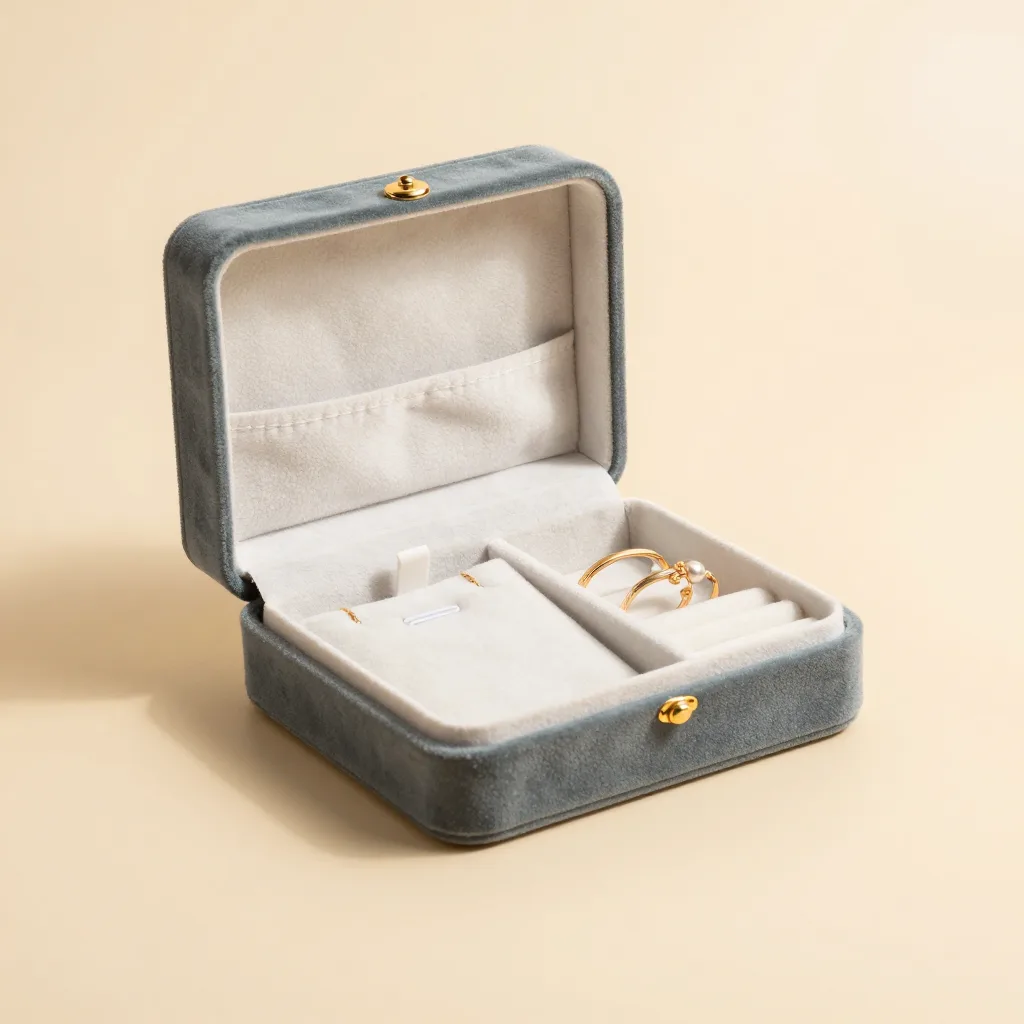
Keep it dry and away from harsh chemicals. Wipe it with a soft cloth to keep the polished finish, and store it in the pouch or a jewellery box when not worn.

Is it a medical or health product?

No. It is jewellery made from plant seeds. It is not a medicine and not intended to address any condition — it is simply an ornament to wear.

How is it coloured?

Most pieces are left in the natural ivory tone, and some are dyed in soft colours using low-impact dyes. The colour is baked into the polished surface.

Why is it called vegan ivory?

Because it comes from a renewable palm seed rather than an animal. It has the cool, smooth feel of ivory but harms no elephants, which makes it a beautiful, ethical alternative.

What is tagua?

Tagua is the dense seed of the tagua palm, native to Ecuador. When dried it is hard and smooth enough to carve like ivory, which is why it is called vegetable ivory.

Join the list

Notes from Nut & Bloom — new pieces and the people who make them. No noise.